The Aging Process: Bourbon’s Future as Regional Economic Engine
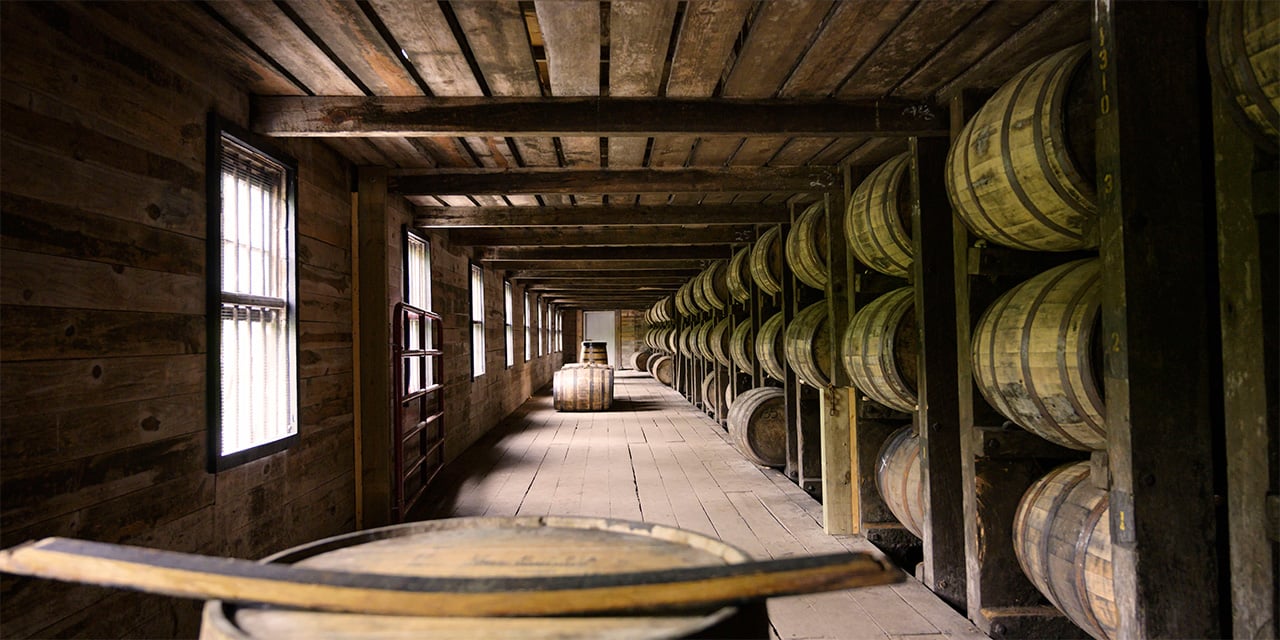
If you want to understand the culture of Kentucky, it would be hard to find a better starting place than its rickhouses. Increasingly, the same could be said of the best way to understand Kentucky’s economy: bourbon has gone from regional craft to one of Kentucky’s most powerful economic drivers, today accounting for north of $10 billion in economic output, nearly 24,000 jobs, and hundreds of millions in annual tax revenue. For Louisville, bourbon links culture, tourism, and the local economy, powering everything from downtown hospitality to global branding.
Recent Production Investment and Tourism Growth Provide Foundation
Like Napa’s cabernets or Champagne’s sparkling wines, the story of Kentucky bourbon is one about a region turning heritage into sustained economic growth. The scale of that growth in recent years has been stunning. Since 2001, employment in Kentucky’s distilling industry is up 155%, while total wages have soared by nearly 400% (over a period when the broader manufacturing industry shed jobs). Production makes the point: barrel fills have doubled over the past decade, with more than 16 million now aging in Kentucky.
This longer production cycle, in which supply decisions made years ago are only now impacting the market, has (as ever) amplified both the upside of the boom and highlighted the risks embedded in it. Still, for most of the past 15 years, the trajectory has been clear: more distilleries, more investment, more consumers, and a wider economic footprint.
Nowhere has that growth been more visible than in tourism. What began in 1999 as a modest collection of distilleries has evolved into a global destination, with roughly 2.7 million visitors traveling the Kentucky Bourbon Trail annually. These aren’t just casual day-trippers. The average visitor stays multiple days and spends between $600 and $1,400 per visit, supporting hotels, restaurants, and small businesses across the state. Importantly, the distilling and bourbon sector boasts the second-highest job multiplier in the state behind the automobile industry.
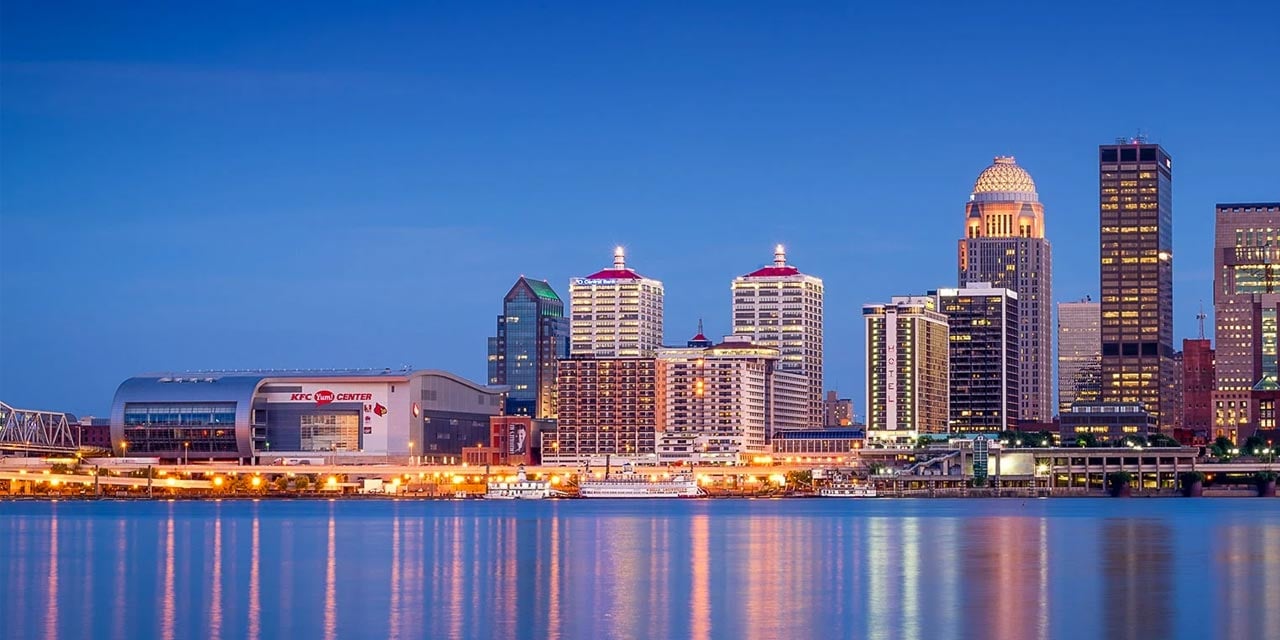
Louisville, in particular, has positioned itself as the urban front door to this experience, leveraging attractions like Whiskey Row and distillery tasting rooms to reel in tourists’ dollars before they fan out across the Bluegrass region. At the statewide level, tourism tied to bourbon and hospitality has helped drive a broader $14.3 billion tourism economy.
Headwinds After the Boom
But as with any boom, the industry is beginning to encounter headwinds. Some are cyclical, while others are more structural. On the cyclical side, growth in spirits consumption has slowed after a post-COVID surge, with recent data showing a modest decline in industry revenues and distillers pulling back on production after peak output in 2023.
Inventories have become a double-edged sword: record barrel counts represent future revenue potential, but they also raise the risk of oversupply if demand doesn’t keep pace. This can create margin pressure, inventory turnover issues, and the risk of price discounting diminishing brand value, among other things.
External pressures are also mounting. Tariffs and trade disputes have disrupted key export markets, which are an increasingly important driver of the industry’s recent expansion. Rising taxes on aging barrels are also adding cost pressures at home.
At the same time, consumer behavior is shifting. Younger generations are drinking less frequently, and new forces like GLP-1 weight-loss drugs are accelerating moderation trends, with studies showing a meaningful percentage of users reducing alcohol consumption. Even iconic producers are being forced to adjust, with production pauses and slower fill rates pointing to a more cautious phase of the cycle.
Long-Term Strength, Near-Term Normalization
Bourbon is, and always has been, a cyclical business. The long production cycles and global demand swings fueling today’s uncertainty have defined the industry for more than a century.
Bourbon has survived Prohibition, global recessions, and prior slowdown cycles, only to re-emerge stronger and more nimble each time. Brands will continue to evolve their portfolios, adapt to consumer demand, and find new markets. The current moment may represent a localized peak after an extraordinary run, but the long-term foundation remains intact. Kentucky still produces the vast majority of the world’s bourbon, and the global brand remains very strong, evidenced by record tourism numbers even as production slows. The bourbon economy may be shifting from expansion to normalization, but history suggests this is less an ending than the next chapter in a long aging process.
Baird's Businesses
Baird’s financial advice and services include Private Wealth Management, Asset Management, Global Investment Banking, Capital Markets and Private Equity. Our clients include individuals, families, communities, small businesses and foundations across the United States, and corporations and institutional investors around the world.

With global resources and an unwavering commitment to your best interests, we're focused on helping you make smart decisions in all areas of your life.

We've helped schools, municipalities and other public organizations secure their financial futures in all kinds of markets for more than 100 years.

Our team emphasizes teamwork, sector expertise and client focus, creating a unique culture that sets our advisory and financing services apart.

Let us help you create your legacy through estate planning, trust and estate settlement services and investment management – so you can transfer your wealth to the people and causes you care about most.